
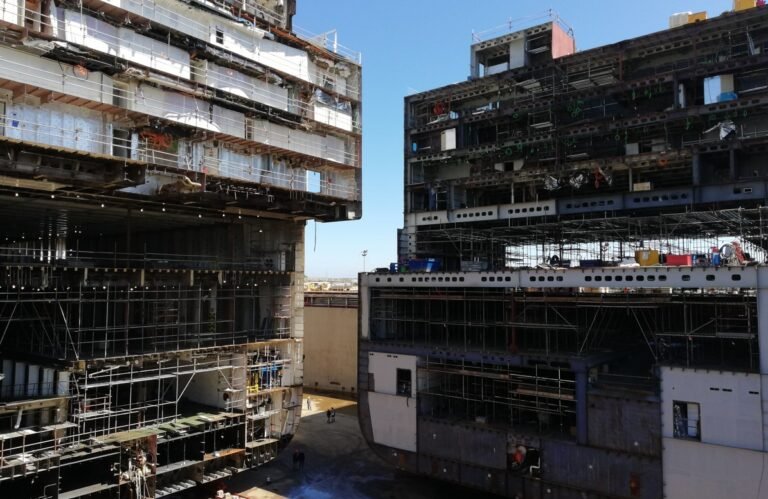
Evaluating a fleet transition to low-flashpoint alternative fuels frequently places excessive focus on upfront capital expenditure (CAPEX).
Commercial teams analyse the costs of Low-Flashpoint Fuel Supply System (LFSS) skids, nitrogen generation packages and piping engineering. But focusing strictly on machinery procurement, fuel prices and potential carbon tax savings can lead to overlooking a critical aspect of the project: the shipyard’s know-how for successfully integrating methanol systems onboard.
As with all major system retrofits, certain financial variables only become fully apparent once the project is underway, and they add up fast as fixed costs:
- Off-hire costs, the revenue lost while the vessel sits out of operation.
- Dry-dock costs (if not included in the budgetary offer) or other shipyard expenditure items.
A methanol retrofit needs a large number of components: piping, sensors, machinery, and every one of them has to be correctly selected against the alternative (new) design, which adds an extra layer of complexity to the whole project.
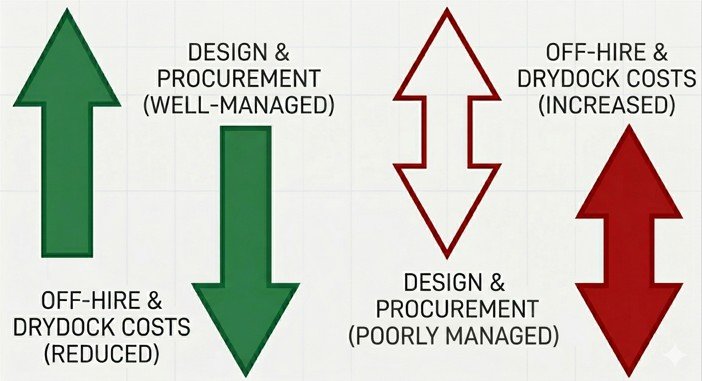
In low-flashpoint fuel projects, a poorly managed procurement timeline combined with uncoordinated layout engineering creates compounding delays throughout the build.
What started as an optimised equipment budget can turn into a financial burden fast, as shipyard costs and off-hire expenses climb.
Quick Facts
– Off-hire and dry-dock costs climb fast once a project falls behind schedule
– Methanol-compatible valves and fittings need 316L stainless steel
– Electrical equipment in hazardous areas around the Fuel Treatment Room must be certified to IEC 60079
– Nitrogen generators for methanol inerting must reliably hold oxygen content at or below 5% by volume
– A precise 3D scan of the refitting area is essential to avoid costly field modifications later
How to reduce the project risk
De-risking a methanol retrofit with many metres of new pipe, double-walled pipe and new machinery going in, takes in-depth knowledge of the overall system and its main skids, combined with procurement expertise and a solid grasp of logistical lead times.
In practical terms, controlling the project and reducing risk during procurement depends on:
- A clear understanding of all systems and sub-systems installed.
- Knowledge of MSC.1/Circ.1621 and the applicable classification society requirements for the machinery being ordered.
- Awareness of procurement and logistical lead times so machinery reaches the shipyard on schedule.
Material Procurement Risks: Long delivery time
A primary factor driving up shipyard project timelines is the procurement phase for low-flashpoint system components.
Standard marine piping systems rely on carbon steel or stainless steel alloys with relatively short delivery times. Methanol systems, by contrast, bring in more sophisticated components: fuel valve trains, high-pressure double-walled pipes, dedicated gas and vapour detection and many of these aren’t available for prompt delivery.
Shipyards are also often unfamiliar with several of them. The result: procurement lead times stretch out, and the overall project timeline slips with them.
Here’s a typical example of the procurement complexity behind a methanol retrofit.
Methanol is a low-viscosity solvent and a chemically aggressive fluid, so the entire fuel train needs specific materials and certifications:
- Valves and fittings: ball valves and control valves need to be built in high-grade stainless steel (e.g. 316L) with specialised PTFE or otherwise chemically inert seals. These components require strict type-approval certification from classification societies such as DNV or Lloyd’s Register.
- Electrical components: every instrument, junction box, valve actuator and sensor operating inside the Fuel Treatment Room (FTR) or within the hazardous area around the bunker station manifold needs to be certified for use in an explosive atmosphere. In practice, equipment rated to the IEC 60079 series (Ex-d, Ex-ia or equivalent protection types), through IECEx or a comparable scheme. We mention one thing here: the extent of that hazardous area around the bunker manifold is set by the vessel’s own approved hazardous area classification drawing, not by a fixed figure that applies to every ship. It’s worth confirming the exact boundary on the drawing and class approval rather than assuming a standard distance, since it varies with layout and ventilation arrangement.
- Nitrogen generator: not every nitrogen generator on the market is suitable for methanol systems. Classification society rule notes incorporating MSC.1/Circ.1621 require the nitrogen supplied for inerting to hold an oxygen content of no more than 5% by volume, with a continuous oxygen meter and an alarm set at that same threshold. A certified system capable of hitting that purity level reliably has to be sourced and ordered with that in mind — not every generator on a standard vendor list will meet it out of the box.
Spatial Coordination: Eliminating High-Cost Field Modifications
Once components arrive at the yard, the financial focus shifts to onboard work efficiency. Standard shipbuilding practices frequently lack the know-how and quality standards that methanol systems demand standards closer to what’s expected in the onshore process industry than in conventional shipbuilding.
Shipyards are typically driven by project timelines, pressure test completion, commissioning and sea trials, with the primary objective of delivering the vessel as fast as possible. That working philosophy runs into trouble with low-flashpoint fuels, where quality requirements and regulatory standards are considerably stricter.
Managing Risk Beyond the Equipment Price
Minimising the overall cost of a methanol fuel system conversion relies heavily on managing the engineering, procurement and installation phases effectively. However, doing so properly requires an in-depth knowledge of the methanol systems to be installed onboard and their individual components. An optimised and cost-efficient purchase price for machinery packages can be quickly offset if a project suffers from extended delivery times, spatial layout conflicts or piping interferences.
For methanol retrofit projects, starting with a precise 3D scan of the vessel is more than recommended, it is essential to avoid critical issues during the assembly phase.
In parallel, engineers with deep expertise in methanol fuel systems and auxiliary systems must lead the design process and oversee procurement to ensure the right components are selected and lead times are optimised.
At Flowazur Consulting, we with our piping engineering package, support shipyards and shipowners throughout the basic engineering and procurement phases, reducing technical uncertainties and optimising procurement timelines.
Book a call with one of our engineers to discuss your project.
Frequently Asked Questions
Q: What material do methanol valves and fittings need?
A: High-grade stainless steel such as 316L, with PTFE or other chemically inert seals, and strict type-approval certification from a classification society like DNV or Lloyd’s Register.
Q: What certification do electrical components near methanol systems need?
A: Certification for use in an explosive atmosphere, typically to the IEC 60079 series (Ex-d, Ex-ia or equivalent), through IECEx or a comparable scheme.
Q: What oxygen purity must a nitrogen generator hit for methanol inerting?
A: No more than 5% oxygen by volume, with a continuous oxygen meter and an alarm set at that threshold, per class rule notes incorporating MSC.1/Circ.1621.
Q: What’s the first step to reduce risk in a methanol retrofit?
A: A precise 3D scan of the vessel early on, paired with engineers experienced in methanol systems leading design and procurement oversight.